
CORE LITHIUM CHIEF CALLS FOR SPEEDIER APPROVALS
Core Lithium chief Gareth Manderson says accelerating approvals for new mines must be a priority for governments as the industry faces looming shortfalls in the supply of the battery metal. Gina Rinheart’s Hancock Prospecting this week warned approval times continued to rise across the board, urging the Federal Government to cut red tape to boost volumes of lithium, rare earths, copper and various other minerals to meet net-zero commitments.
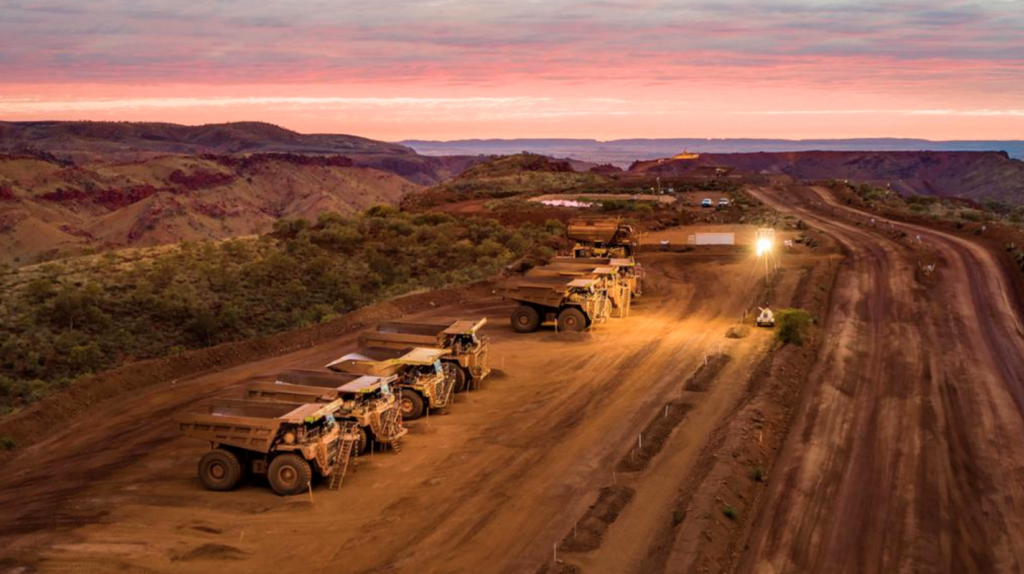
Hancock Prospecting calls for magnetite ore to be carved out of Government’s
Hancock Prospecting group chief executive Garry Korte has called for magnetite ore to be carved out of the Federal Government’s safeguard mechanism as he warns of “unintended consequences” of the policy. Billionaire Gina Rinehart’s company is concerned that magnetite iron ore is not distinguished from hematite under the Government’s safeguard mechanism despite its potential to help the steel industry lower emissions. Mr Korte said the creation of a separate magnetite iron ore variable under the safeguard mechanism was critical to encourage investment in magnetite in Australia. “Without (the variable), the safeguard mechanism will result in the offshoring of investment and reduction in value-add opportunities in Australia,” he told The West Australian.
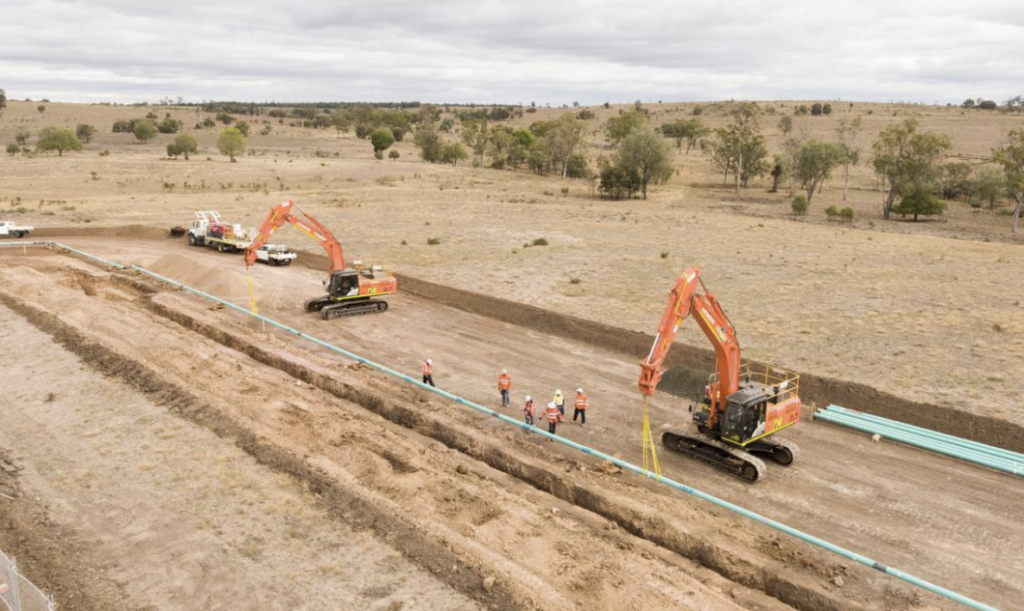
Make or break gas code poised for release as Australian east coast faces shortfall
Federal Energy Minister Chris Bowen will release the full text of the mandatory code of conduct governing the country’s gas industry within days, a document that will go a long way to determining whether several new developments materialise. Australia’s east coast gas market is facing a material shortfall in the next few years as traditional supplies run dry and proposed new developments struggle to secure regulatory and social licences. Senex Energy, owned by South Korea’s Posco and Gina Rinehart’s Hancock Prospecting, earlier this year suspended its proposed $1bn Atlas project in Queensland, while Cooper Energy has delayed a go-ahead to expand its Otway gas project off Victoria.
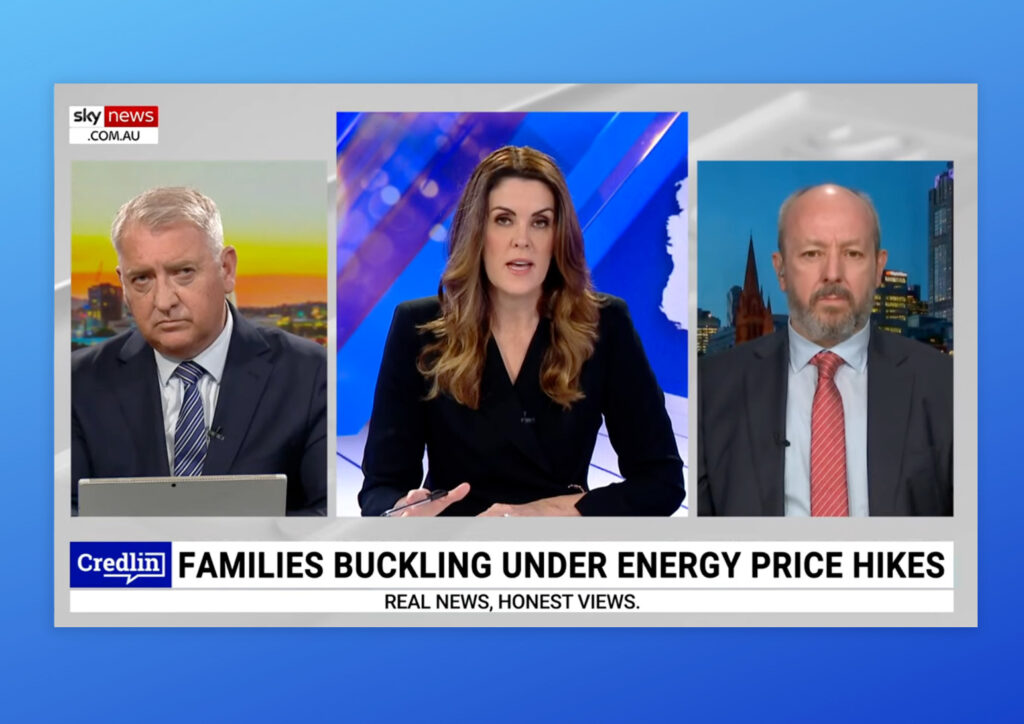
‘It’s time to stop this madness’: Ordinary Australians paying for ‘green dreams’
IPA Executive Director Scott Hargreaves says ordinary Australians are “paying the price” for “green dreams”.

Saxon Davidson On How WA Is Hardest Hit By Worker Shortage Crisis On 6PR
On June 23, IPA Research Fellow Saxon Davidson joined Oliver Peterson on 6PR’s Perth Live to discuss new research showing Western Australia is hardest hit by worker shortages.

Farmers ‘absolutely ambushed’ by WA’s Aboriginal Cultural Heritage Act
IPA Deputy Executive Director Daniel Wild says farmers feel “absolutely ambushed” by Western Australia’s Aboriginal Cultural Heritage Act and feel they haven’t been consulted properly.

WA Aboriginal heritage laws bamboozle business
The first major test for the Cook Government has not gone well, judging by the level of backlash over the Aboriginal Cultural Heritage Act from miners, farmers and Indigenous groups. The shambolic rollout was on full display this week, with the Government continuing to tweak the laws right up to the 11th hour amid growing pressure but opposing calls for a delay. Some of that tinkering — particularly the commitment for a “light touch” approach to enforcing the new rules for the next year, an implementation group and an “education first” approach — will allow companies to go about their business without the fear of a fine hanging over their head. The Government also agreed to a one-year reprieve for more rigorous requirements to Indigenous heritage surveys after hastily taking down guidelines following concerns from industry, as revealed by The West Australian. Why all this had to be done the week before the new system was due to be brought in defies logic.

WA supercharges the surplus to $19 billion
Strong commodity prices and WA’s powerhouse resources sector have played an “outsized” role in boosting the Federal Government’s coffers, with the Budget surplus ballooning to $19 billion at the end of May. New figures from the Department of Finance show a surge in company and personal tax payments underwriting a stronger than expected result. Receipts from the resources sector was one of the biggest contributors. Mr Albanese argued strong export links would be paramount to ensure unemployment levels remained low. “One in four Australian jobs depend on international trade and that ratio is only going to increase as the economic transformation under way in our region, the fastest growing region of the world in human history, gathers pace,” he told the Australia-Israel Chamber of Commerce on Friday.
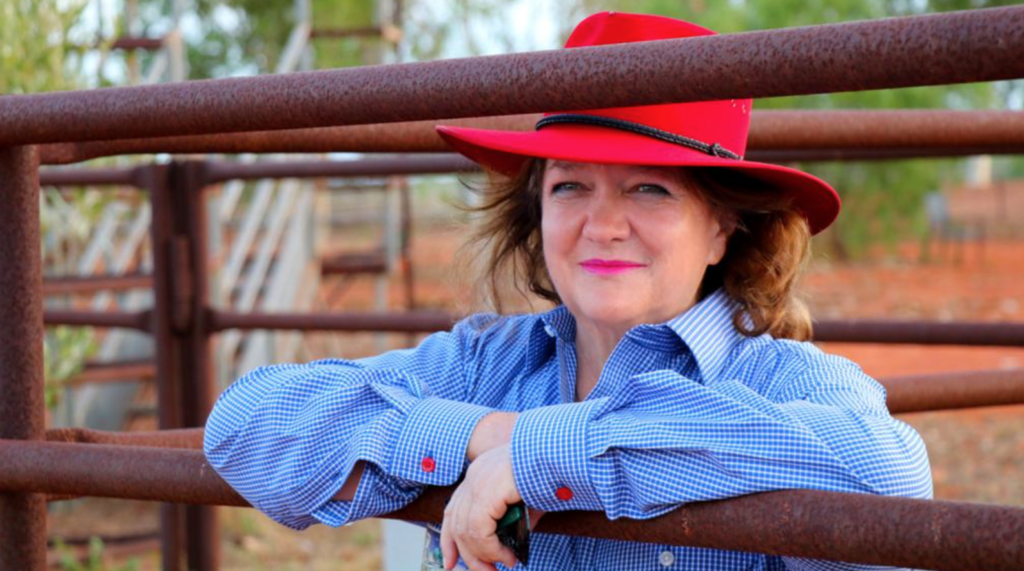
Australia Must Heed Gina Rinehart’s Timely Warnings
“Canberra Hill is not a wealth creator or nation builder, but a user and waster of taxpayer funds, an inefficient disperser of taxpayers’ funds, and its record shows a place which fails to understand economic realities,” she said. “This lack of economic realities has resulted in policies which restrict our pensioners, students and even veterans from working as much as they may choose, while there is a widespread worker shortage, a worker shortage crisis, affecting many businesses and supplies.” At a time of record revenue, thanks to mining, one would expect government services to be provided abundantly and efficiently. Unfortunately, the opposite is the case. Notwithstanding the money flowing into state government coffers, the standard of the provision of services, which is the key role of state governments, has never been so poor.

National summit seeking a fair go for the bush
Hancock Agriculture chairwoman Gina Rinehart said the summit was an opportunity for governments to better understand those living and working outside our cities. “Eighty-five per cent of Australians live in large urban locations, but we should not forget the engine room of our country, that being outside the cities in mining and agriculture and all of those who work in our bush,” she said. “They in turn make possible jobs for the many businesses the primary industries support; the truckies, the shops, even accountants, legals, tax advisers and many more.”
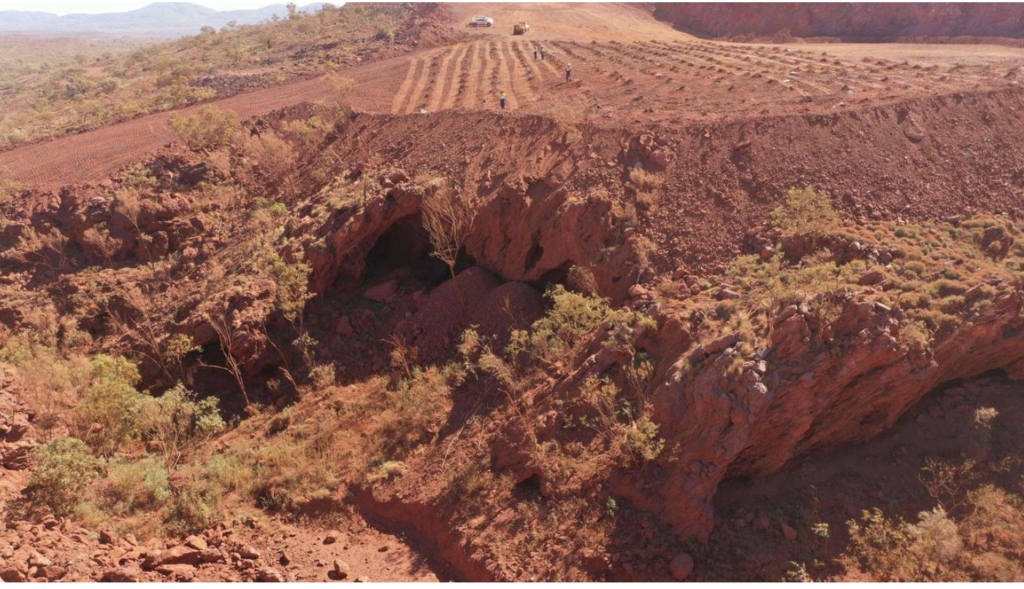
Farmers fear laws to save sacred Aboriginal sites will stop them mending fences
The backlash against the state legislation has been led by farmers, miners and property developers, and whipped up by the Liberals and National parties, which both oppose the Voice. Almost 30,000 people have signed a petition urging the Western Australia government to delay the legislation for at least six months. Pastoralists and Graziers’ Association president Tony Seamark, who filed the petition alongside Neil Thomson, the Liberal shadow planning minister, said the legislation has created an “intolerable” situation for landowners.
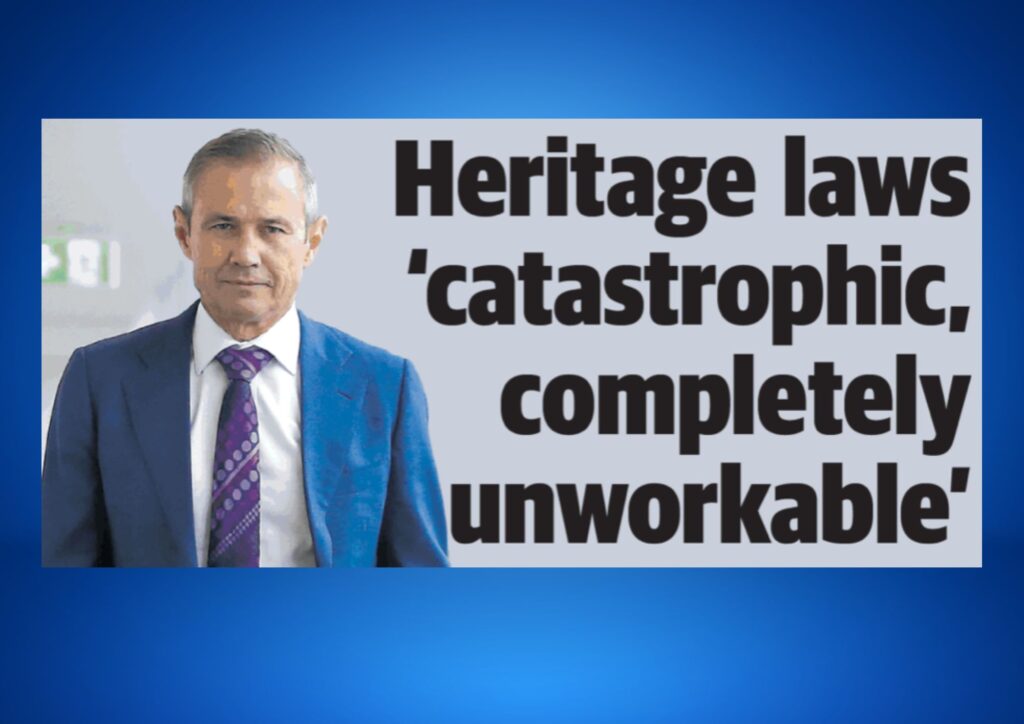
Heritage laws ‘catastrophic, completely unworkable’
In the association’s submission during consultation, the group expressed concerns for its 2085 members. “This will have significant detrimental flow-on effects. The processes . . . will severely impact prospectors, sending some completely out of business. “APLA does not support the unworkable process . . . due to the catastrophic effect it will have on prospecting.”